Bone Marrow Transplant

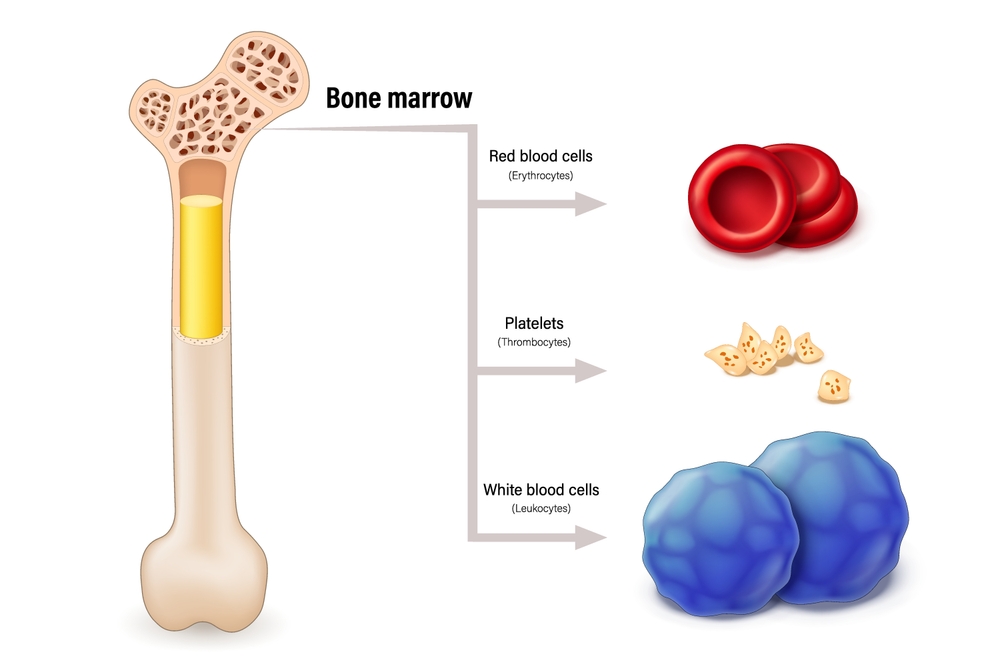
What is Bone marrow?
Bone marrow is the soft, spongy tissue found inside bones that functions as the body's "stem cell (They serve as an internal repair system, dividing and renewing themselves over a long time to replace cells lost to wear and tear, injury, or disease) factory," responsible for producing nearly all the components of blood. This vital organ makes hundreds of billions of new blood cells every day, which are essential for survival.
Functions
The primary function of bone marrow is haematopoiesis, the process of creating blood cells from stem cells. These cells include:
- Red blood cells (erythrocytes): These transport oxygen from the lungs to the rest of the body's tissues and carry carbon dioxide back to the lungs. They contain haemoglobin, a protein essential for this process.
- White blood cells (leukocytes): These are a crucial part of the immune system and help the body fight off infections from bacteria, viruses, and other germs.
- Platelets (thrombocytes): These cell fragments are essential for blood clotting, collecting at the site of an injury to stop bleeding.
What happens when the bone marrow gets affected?
When bone marrow is affected by disease or external factors, it loses its ability to produce enough healthy red blood cells, white blood cells, and platelets. This leads to a range of serious health problems due to deficiencies in these crucial blood components.
The specific consequences depend on which cell lines are affected and whether the issue is a failure to produce enough cells (like in aplastic anemia) or the production of abnormal, cancerous cells (like in leukaemia).
What is Bone marrow aspiration?
Bone marrow aspiration is a diagnostic medical procedure done by Haematologist or An Oncologist. in which a small sample of the liquid portion of bone marrow is removed using a thin, hollow needle and a syringe. This sample is then examined in a laboratory to diagnose or monitor various diseases.
Who is the candidate for the Bone marrow aspiration?
Bone marrow aspiration is performed on individuals suspected of having a variety of conditions, primarily blood and bone marrow disorders. It is a diagnostic procedure used to examine the quality and quantity of blood cells and identify abnormal cells.
Candidates for the procedure include patients who present with:
- Abnormal blood counts: Unexplained anemia, a low white blood cell count (leukopenia), or a low platelet count (thrombocytopenia) are common reasons for the test.
- Suspected blood cancers: The aspiration helps diagnose and stage leukaemias, lymphomas, multiple myeloma, and myelodysplastic syndromes (MDS).
- Fever of unknown origin: If an infection is suspected to be in the bone marrow and cannot be found elsewhere.
- Monitoring disease progression or treatment response: Patients undergoing chemotherapy or radiation for blood cancers often have aspirations to see how well the treatment is working.
- Hemochromatosis (iron overload): The test can help assess the body's iron stores.
- Metastatic cancer: To check if cancer from another part of the body has spread to the bone marrow.
Why it is Done
- Diagnose a disease or condition involving the bone marrow or blood cells, such as various types of anaemia, leukaemia, lymphoma, or multiple myeloma.
- Determine the stage or progression of a disease, specifically if a cancer has spread to the bone marrow.
- Monitor how well treatment for a disease (like chemotherapy) is working.
- Investigate a fever of unknown origin or unexplained abnormal blood counts from routine blood tests.